CHORD THEORY / LESSON 03
The Diminished Triad
This lesson introduces the diminished triad. Have you mastered the minor triad from the previous lesson? The answer to that lesson’s exercise appears at the end of this article.
If you have not yet read Lessons 1 and 2, start with the related articles below.
After major and minor triads, our next type is the diminished triad.
In Japanese, this chord is also known as a 'reduced three-note chord'. The two names refer to the same structure.
As usual, let's start with the notation for a diminished triad.
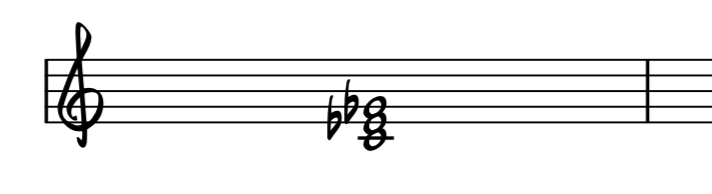
C is the root of this chord, just as in our previous examples. Its full name is therefore a C diminished triad.
The notes are stacked above C according to a specific interval pattern. Because this chord has a different name, the pattern is different, too.
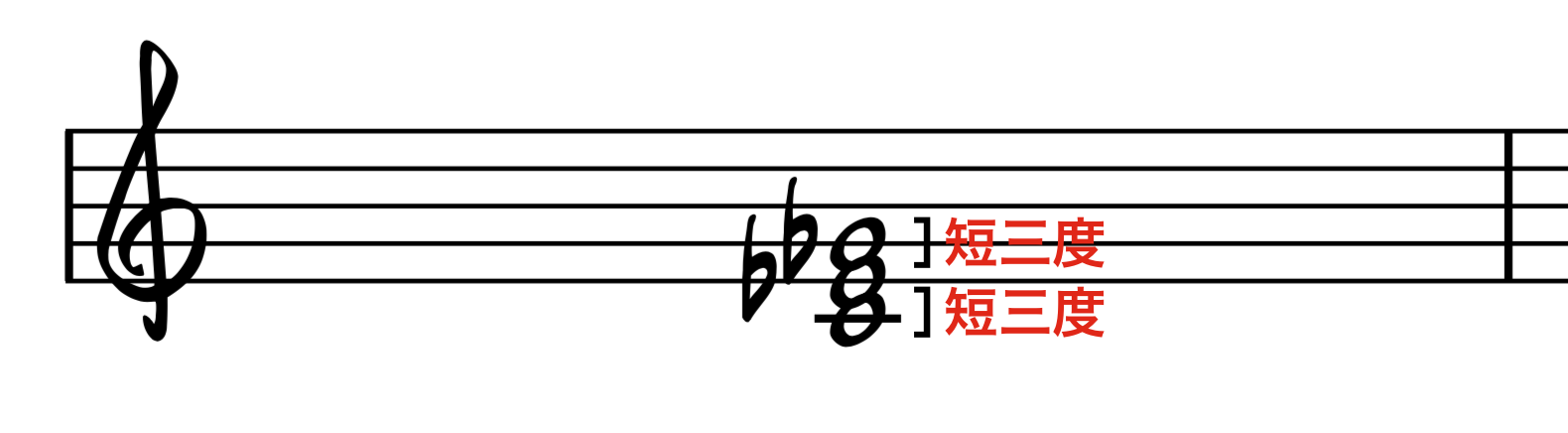
For the first time in this series, both intervals are the same: two minor thirds. Play the chord on a keyboard and listen to its distinctive sound. Now let's count the keys.
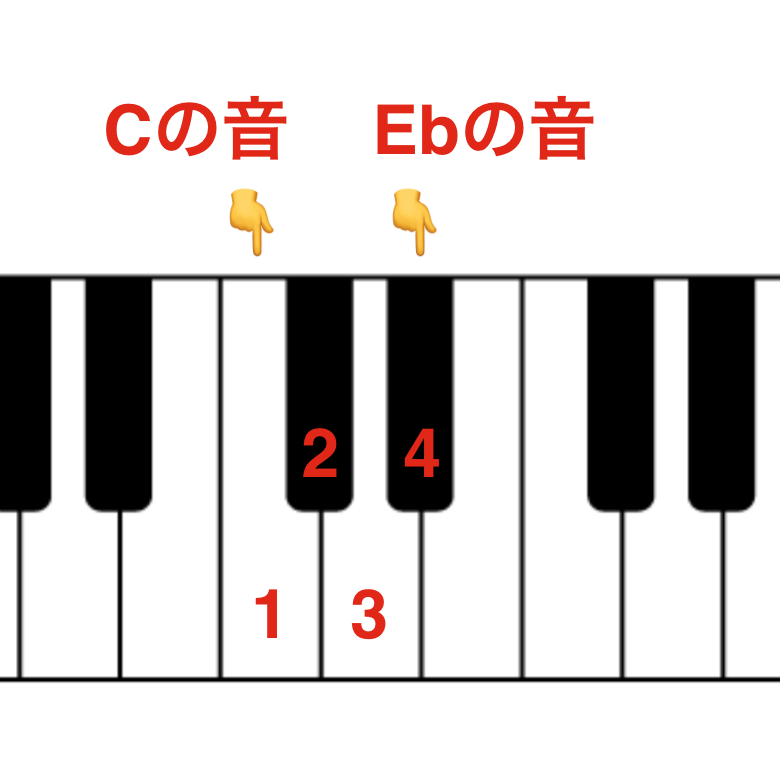
Starting from C, count four keys including black and white keys (counting C as the first key) to reach E♭. Then count four keys again starting from E♭.
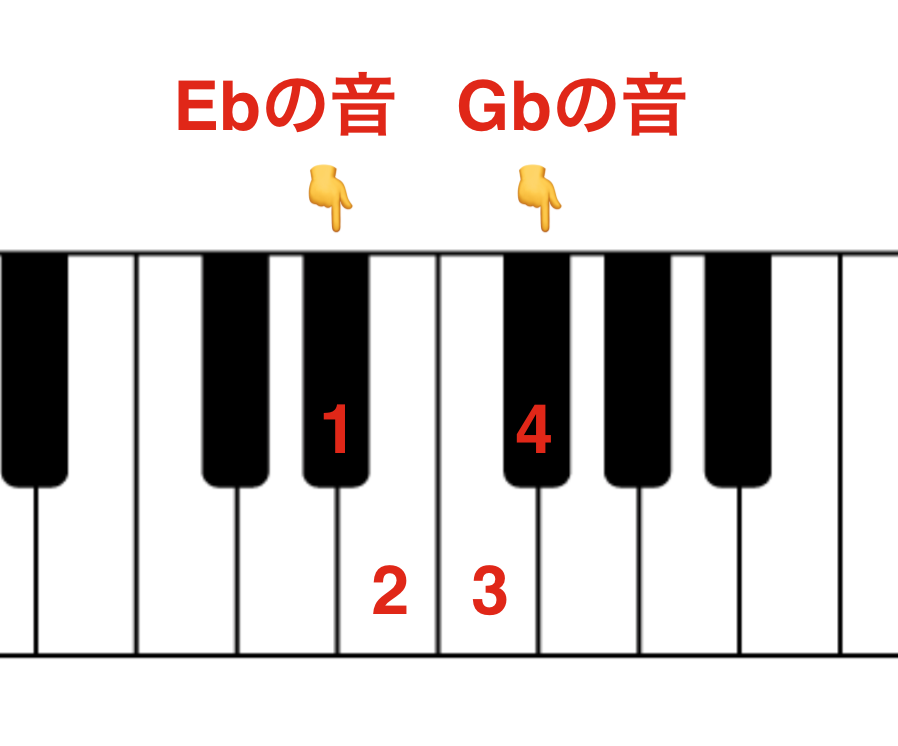
That gives us a C diminished triad: C–E♭–G♭. You may already be finding the process more familiar.
As with major and minor triads, musicians usually omit the word 'triad' and say 'C diminished'.
You will encounter several ways to write this chord symbol, so it is useful to recognize them.
For example: Cdim, Cm♭5, or C°. Note that C° is sometimes used for the fully diminished seventh chord as well, so always consider the musical context.
Different musicians use different conventions. Learning the common spellings will make reading chord charts easier.
Let's summarize the key points.
Summary — (1) A C diminished triad is commonly called 'C diminished'. (2) Its tones are C–E♭–G♭, built from two minor thirds. (3) You may see Cdim, Cm♭5 or C° on a chord chart; check the context when a symbol is ambiguous.
That concludes our third lesson on triads. Next we will examine the augmented triad.
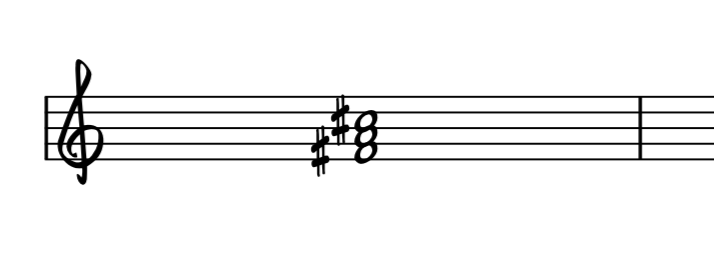
Finally, here is the answer to the exercise from Lesson 2. The F♯ minor triad is written as follows.
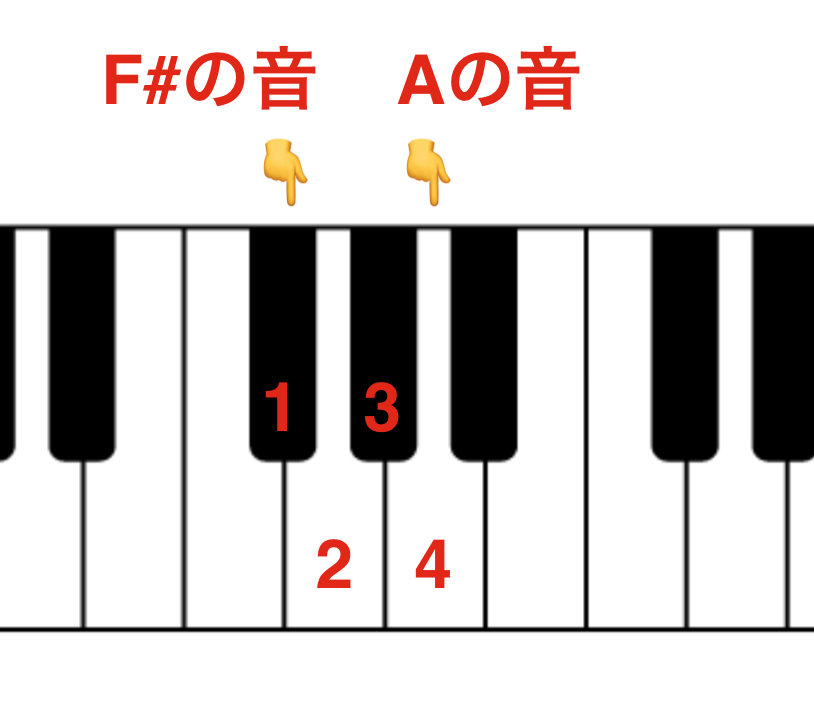
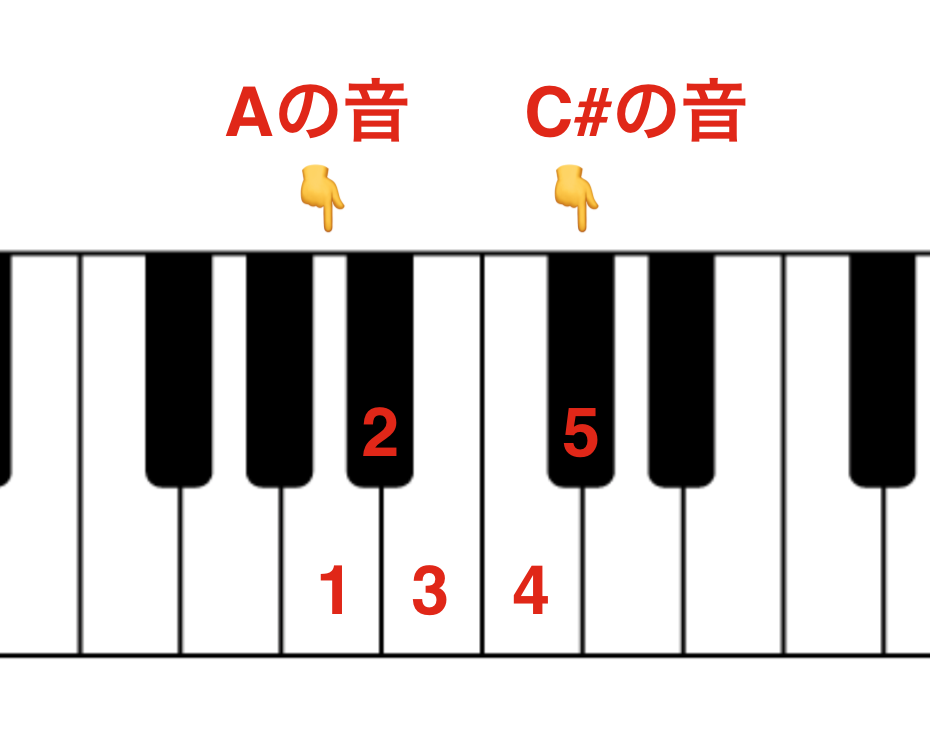
Here is how to find the same notes on the keyboard.
Pivo Music School