POP PIANO / LESSON 02
Chord Inversions with “Let It Be”
In Part 1, we introduced a basic piano accompaniment using left-hand octaves and right-hand triads. Now we will refine that approach to make your playing smoother and more comfortable.
In the first exercise, the right hand played each triad in root position: the root was the lowest note. This is perfectly valid, but moving between root-position chords can require large jumps.
Chord inversions solve that problem. An inversion changes which chord tone is at the bottom while keeping the same three notes. See the first music example below.
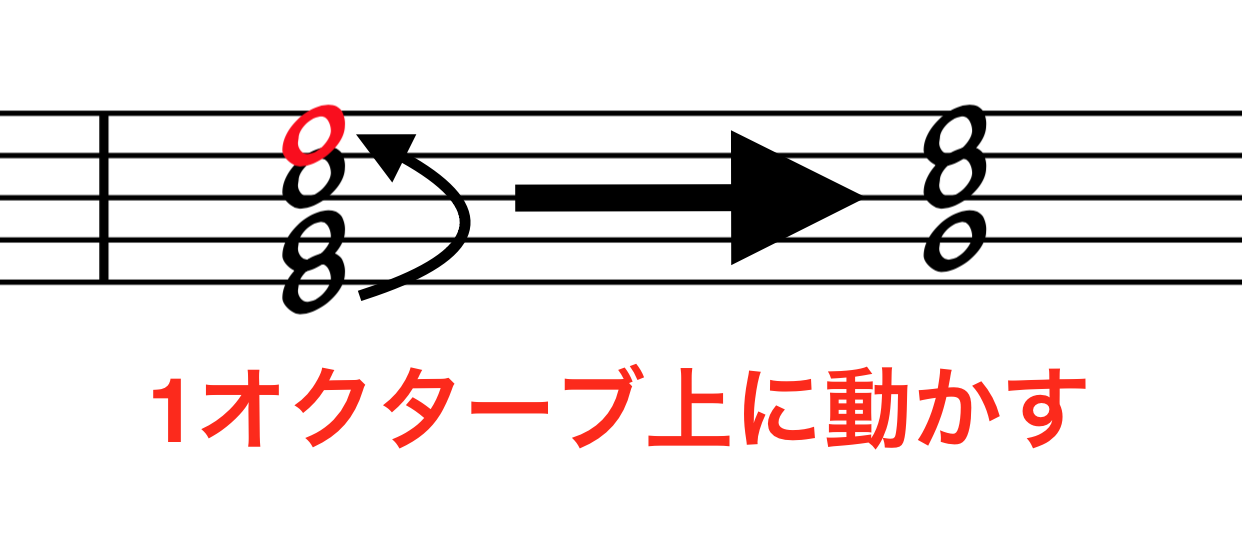
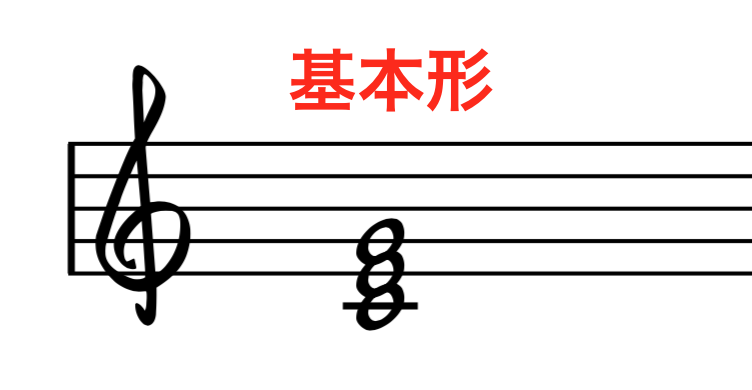
For a C major triad, root position is C–E–G, with C at the bottom.

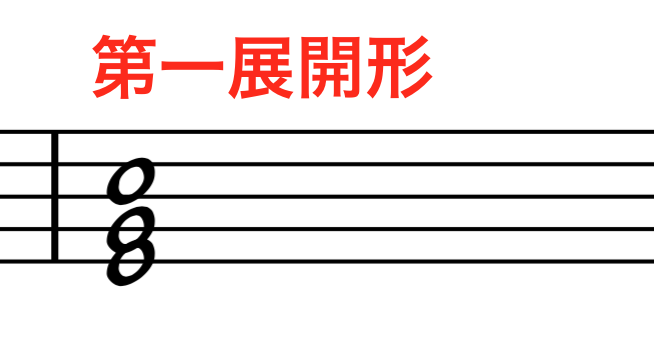
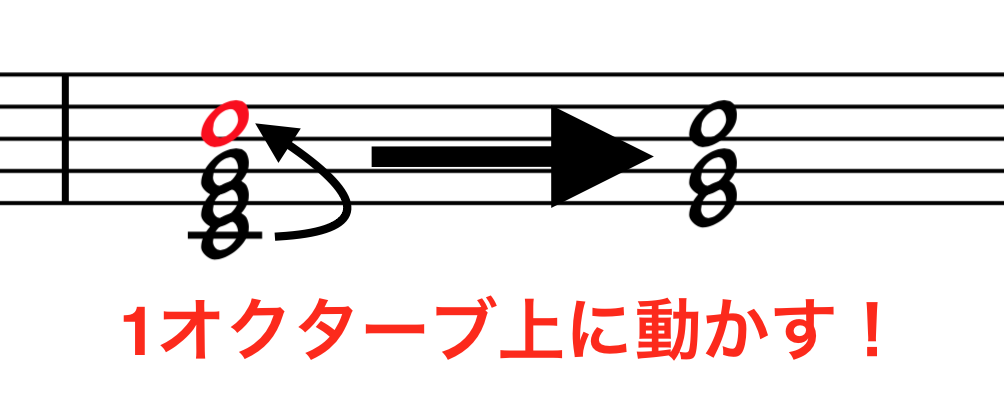
If we move the bottom C up one octave, the notes become E–G–C. This is called first inversion: the third of the chord is now the lowest note.
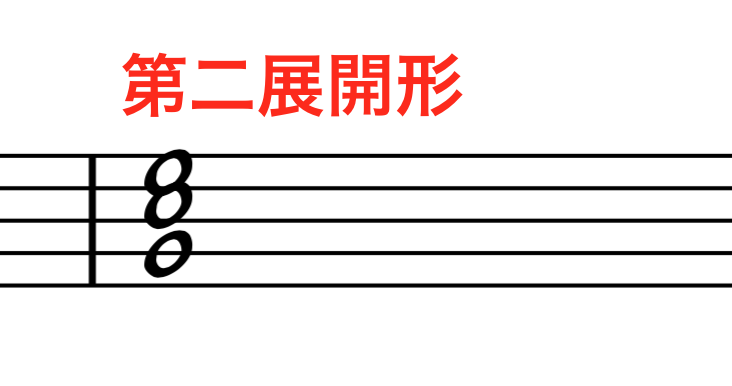
Moving the bottom E up one octave gives G–C–E. This is second inversion, with the fifth of the chord in the bass.
Notice that the chord remains C major in every inversion. Only the ordering of its notes changes. Choosing a nearby inversion for the next chord can reduce unnecessary right-hand movement.
Practice all three positions for C major, then try applying the same principle to G, Am and F. In Part 3 we will combine inversions with the accompaniment pattern from Part 1.
At Pivo Music School we provide individual guidance for students learning piano, accompaniment, improvisation and music theory.