CHORD THEORY / LESSON 01
The Major Triad
A chord is a combination of notes sounded together. On the piano and guitar, chords are part of everyday playing. This first lesson introduces one of the most common chord types: the major triad.
The individual notes of a chord determine its structure. A chord symbol names that structure and its root. In conversation, musicians usually say 'What is the chord here?' rather than 'What is the chord name?'
Let's begin with the notes C–E–G, often sung as do–mi–sol. Because C is the root, this is specifically a C major triad.
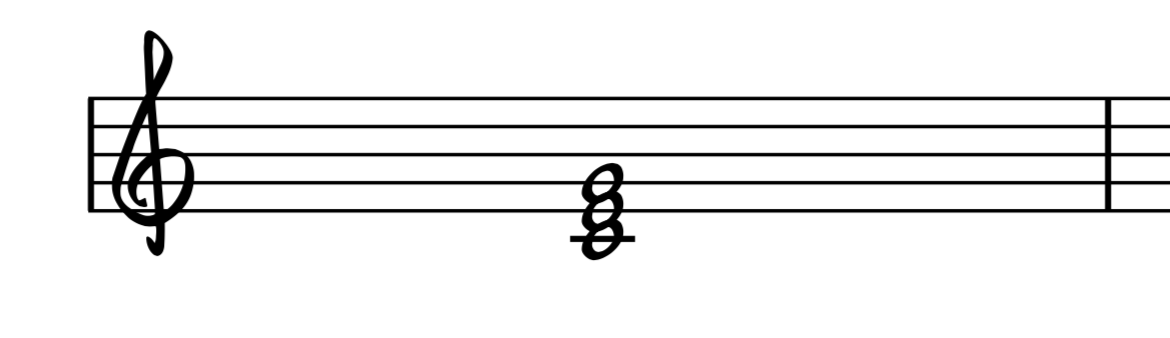
Why C? Every other note is arranged in relation to C, according to a particular interval pattern. Look at the diagram to see how this works.
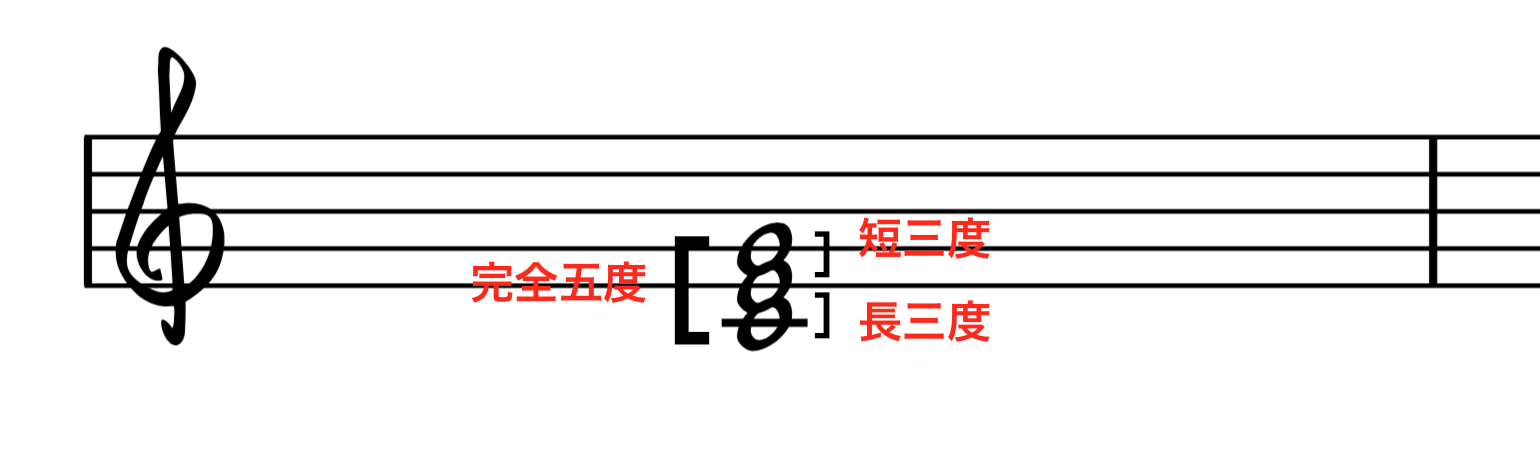
A major triad consists of a major third followed by a minor third. We can recognize those intervals more easily by counting adjacent keys on a keyboard.
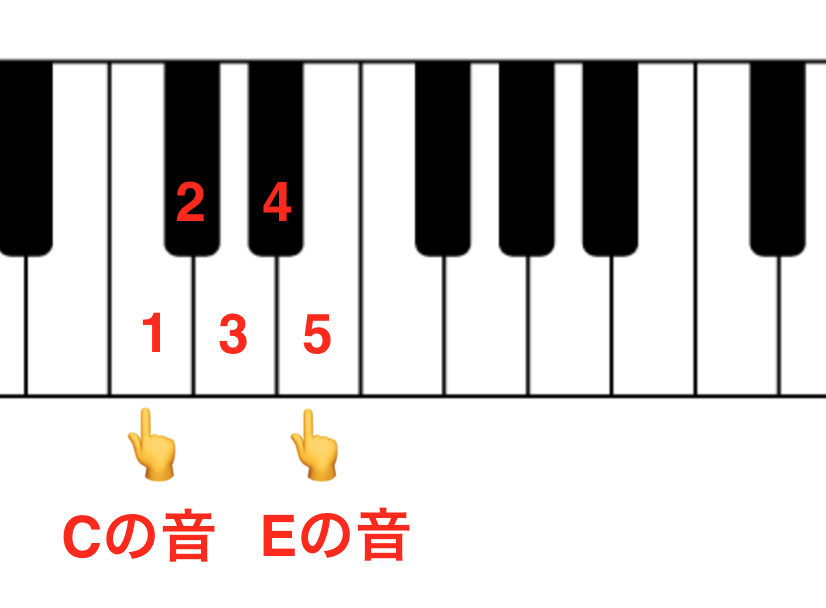
From C to E is a major third: count five keys if you include both the starting and ending keys, black and white keys alike. This spans four semitones.
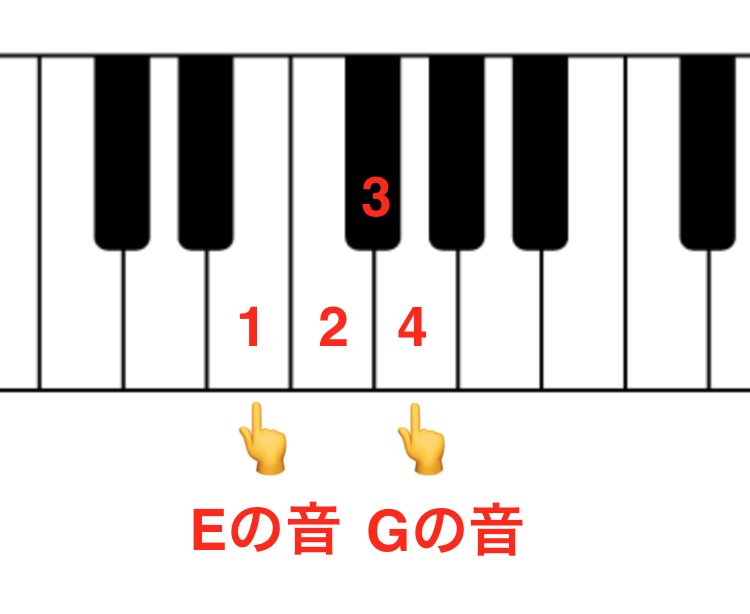
From E to G is a minor third: count four keys including both endpoints. That spans three semitones—one semitone less than a major third.
The same pattern works from any root. Let's build a major triad from F♯, a slightly more challenging starting note.
First, count a major third up from F♯ to A♯.
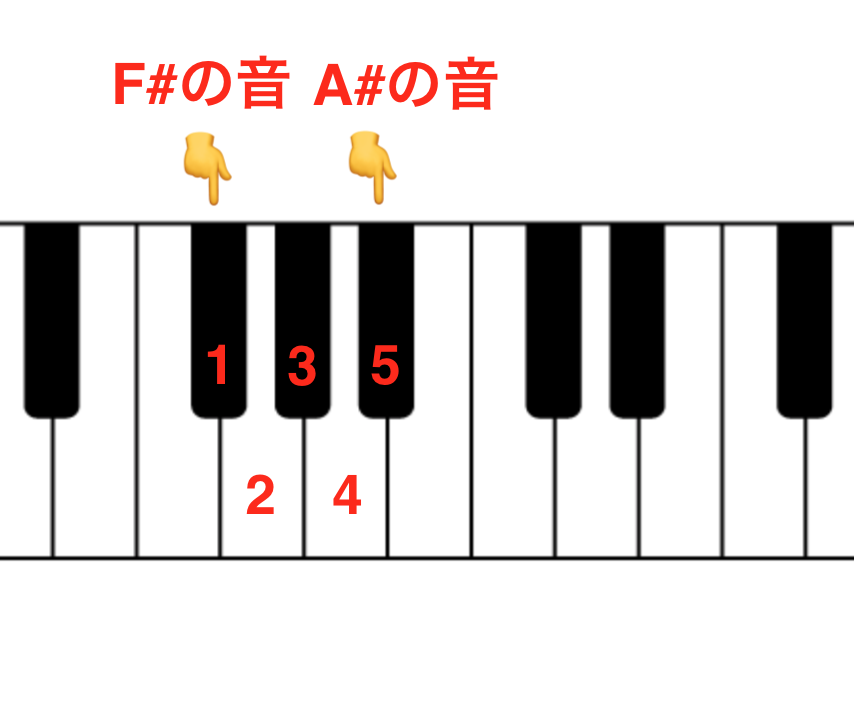
Then count a minor third up from A♯ to C♯. Our F♯ major triad is now complete: F♯–A♯–C♯.
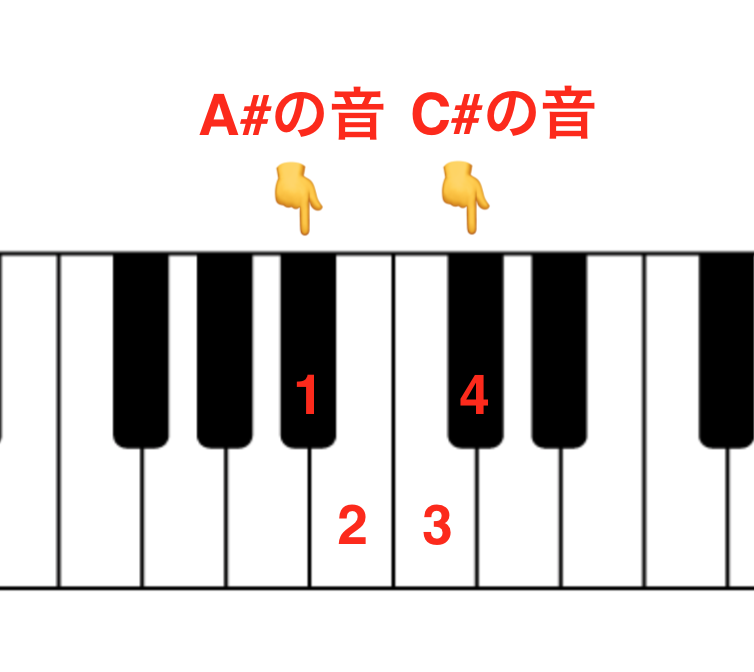
Here is the finished chord in standard notation. It may look complex at first, but it follows exactly the same pattern as C major.
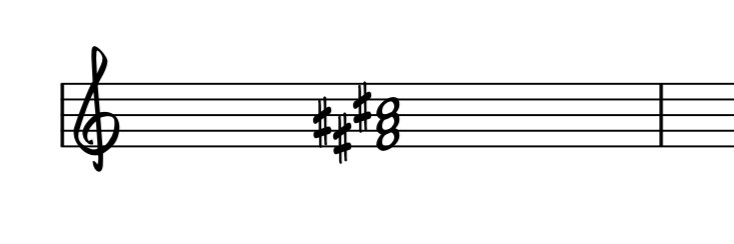
In everyday musical conversation, people rarely say 'F♯ major triad'. They normally just say F♯. The word 'major' and the word 'triad' are understood when the chord symbol is simply F♯.
Summary: A chord combines several notes. A major triad is built from a major third and a minor third. The root gives the chord its letter name; a plain letter such as C or F♯ commonly indicates a major triad. Try constructing one from several different roots.