CHORD THEORY / LESSON 02
The Minor Triad
In Lesson 2 we turn to the minor triad. If you have not yet worked through the major triad, read Lesson 1 first; the interval-counting method will be useful here too.
Like a major triad, a minor triad contains three notes. What changes is the interval pattern. Let's begin with the written example.
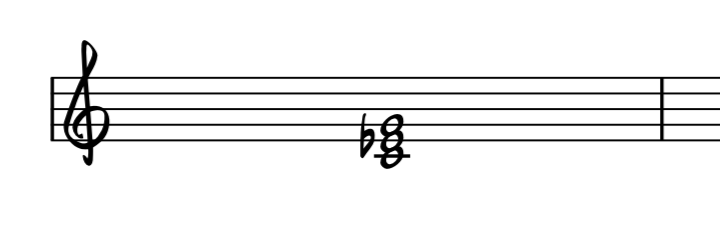
The root in this example is C, so the chord is called a C minor triad: C–E♭–G.
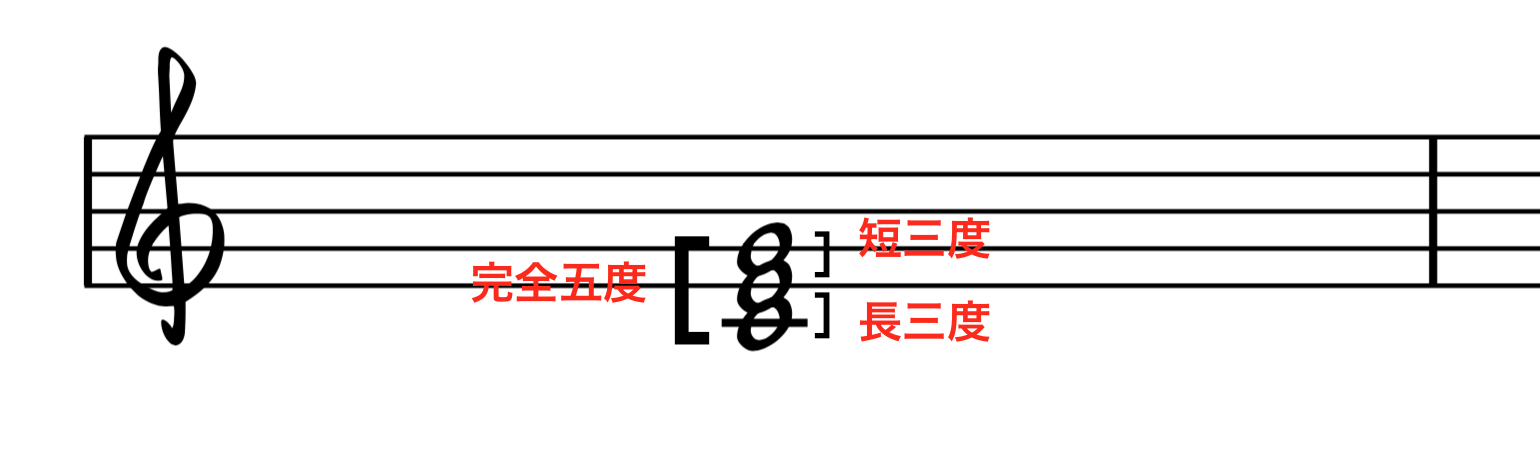
Compare it with the C major triad. In a major triad the lower interval is a major third and the upper one a minor third. In a minor triad, those intervals are reversed: minor third + major third.
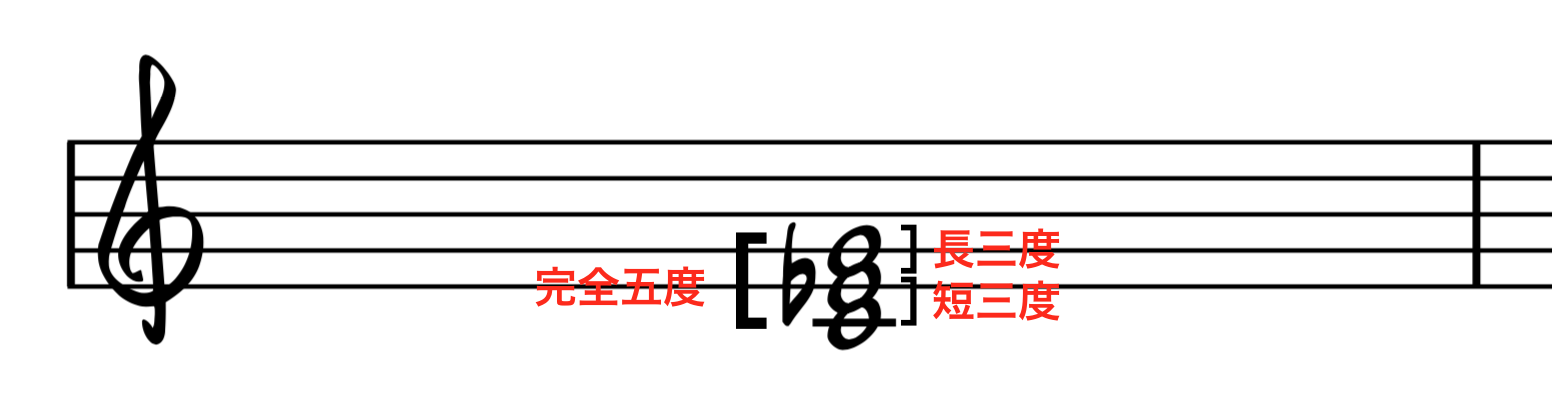
These structures also sound different. Major chords are often described as bright and minor chords as dark, but musical impressions are personal. Play both chords and decide what you hear.
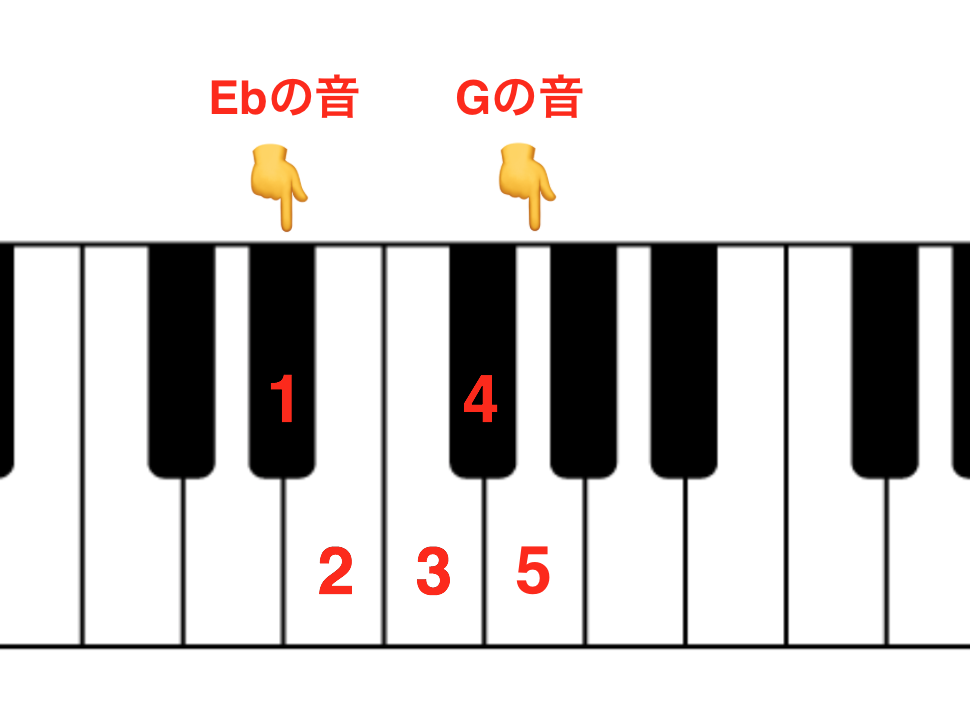
Let's construct C minor on the keyboard. First, count a minor third up from C.
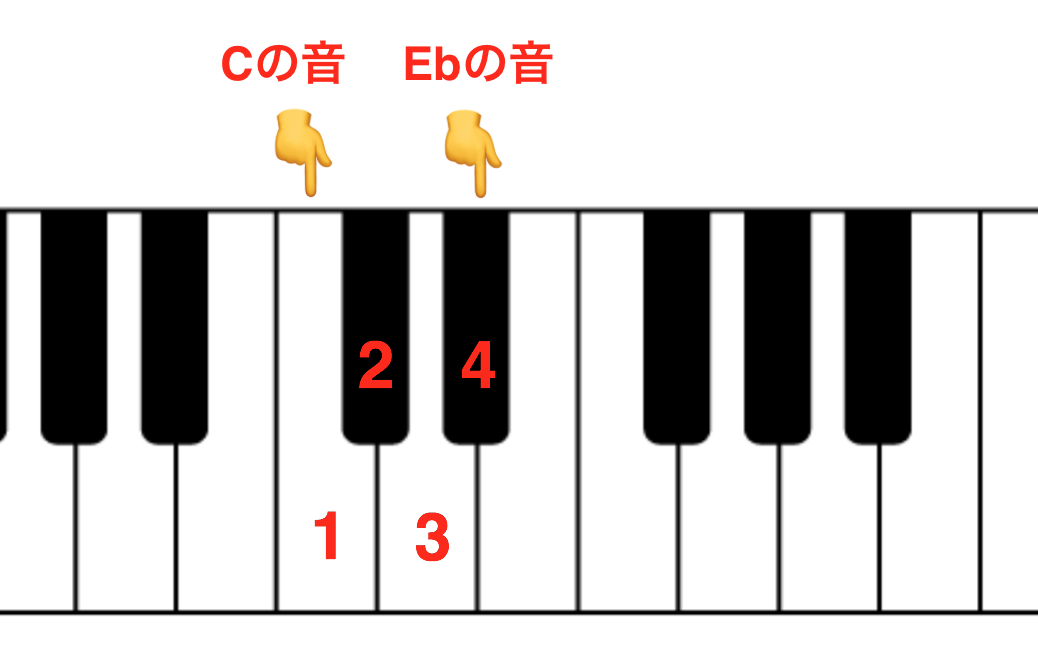
Counting four keys including C and E♭ gives us E♭, three semitones above C.
Now place a major third above E♭. Count five keys including the endpoints to reach G. The finished chord is C–E♭–G.
In conversation, musicians generally shorten 'C minor triad' to C minor. Unlike a major chord, we must keep the word 'minor' so that the chord quality remains clear.
The usual chord symbol is Cm: a capital C and a lowercase m. The distinction matters when reading or writing chord symbols.
Your exercise: Build an F♯ minor triad without looking up the answer. Start from F♯, add a minor third, then a major third. The next lesson provides the solution.