CHORD THEORY / LESSON 05
The Dominant Seventh Chord
We are now entering the world of four-note chords! In Lesson 5, we begin with the dominant seventh chord.
We will explain seventh chords by adding one note to a triad. This will be much easier if you can already build triads on your own. If you need a refresher, revisit Lessons 1–4.
The dominant seventh chord in this lesson is based on a major triad. You can review the major triad in the related lesson below.
If you are comfortable with major triads, let's take the next step. First, look at the notated example.
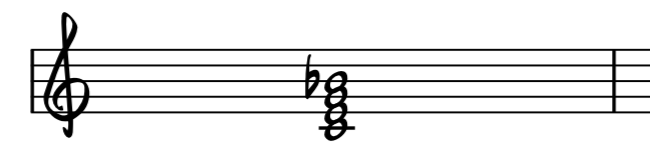
This is a seventh chord built on C, so we call it C7, or a C dominant seventh chord.
First, look closely at the three lower notes.
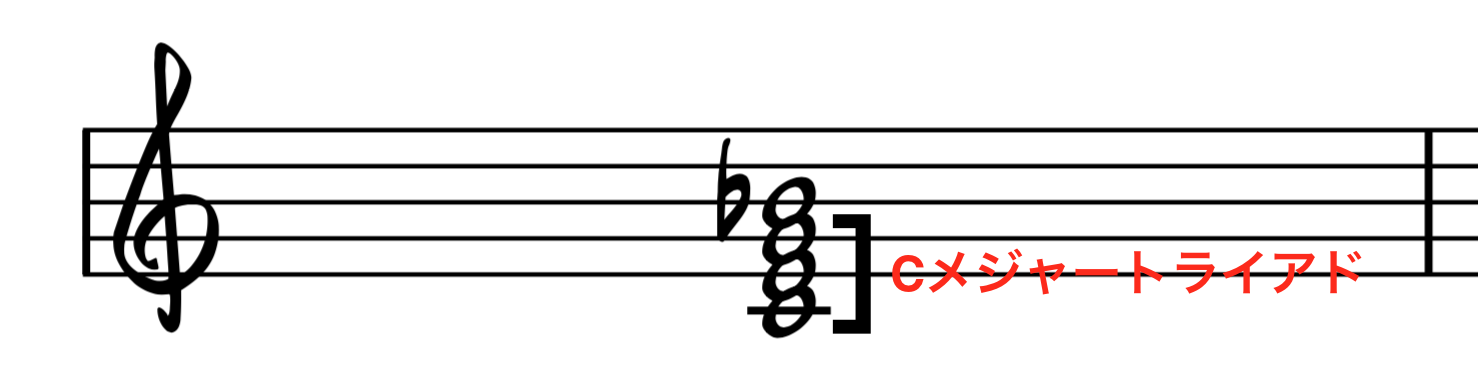
Notice that the lower three notes form a C major triad. All we need to do is add one more note. Start by building C major: C–E–G.
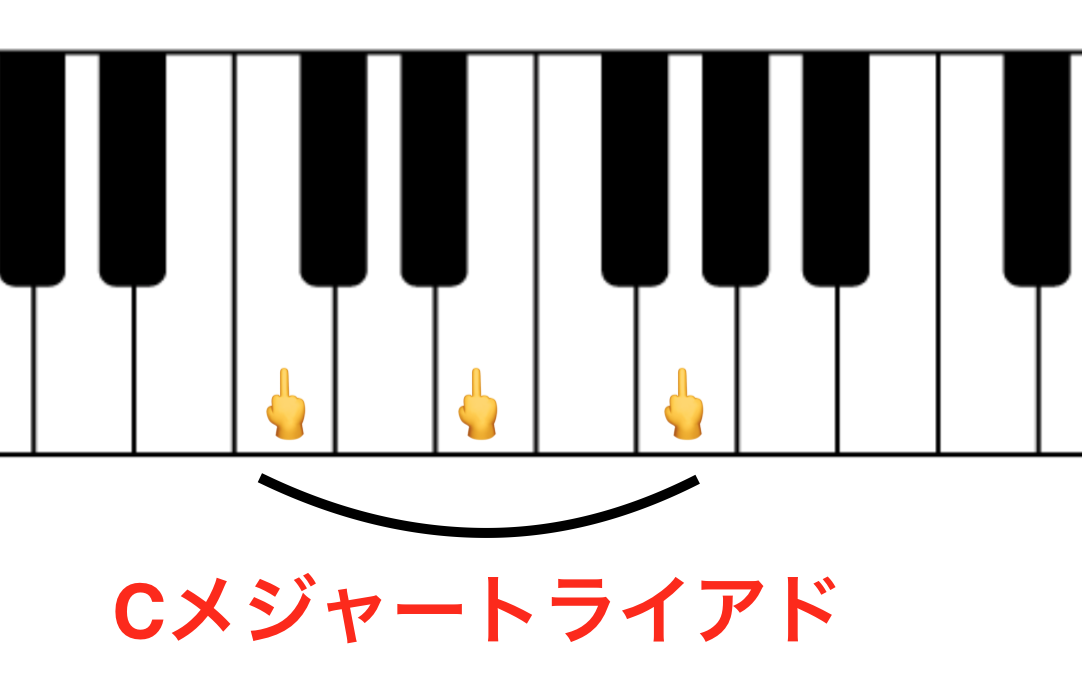
If you understood Lesson 1, this first step should be familiar. To create C7, add a note a minor third above G, the top note of the root-position triad.
Remember: a minor third corresponds to four keys when the starting key is counted.
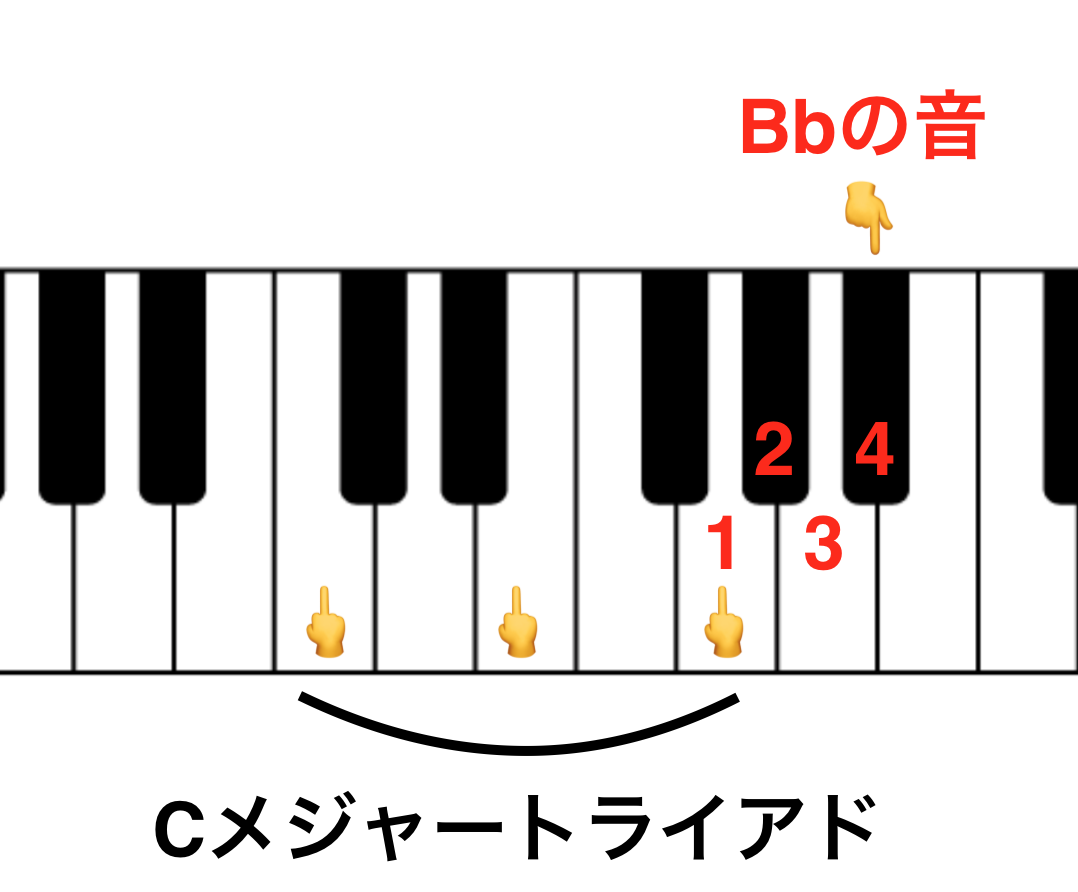
Counting four keys from G, including the starting key and both black and white keys, gives us B♭. Adding B♭ completes the chord C7: C–E–G–B♭.
In conversation musicians usually shorten 'C dominant seventh chord' to 'C seven'. The chord symbol is written C7.
Although we have used C as our example, the same approach works from other roots. The word 'chord' is generally left out in casual conversation.
Summary — (1) A dominant seventh chord has four notes and is based on a major triad. (2) Add a minor third above the triad's fifth; for C7, add B♭ above G. (3) Musicians often say 'C seven' rather than 'C dominant seventh chord'.