CHORD THEORY / LESSON 07
The Major Seventh Chord
This lesson introduces the major seventh chord. Compared with the seventh chords in the earlier lessons, the important change is the fourth note: the note added above the underlying triad.
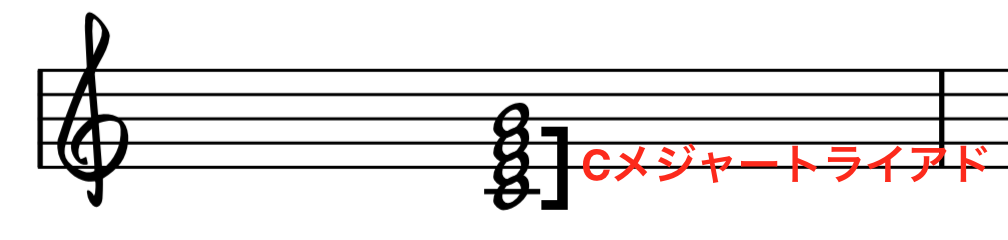
Begin with a major triad. In our example the root is C, so its three notes are C–E–G. Adding the appropriate seventh produces C major seven (Cmaj7).
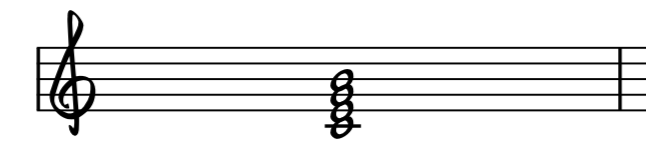
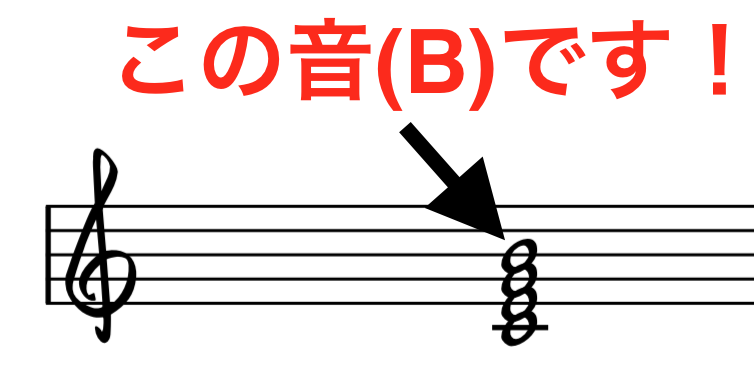
Compare C7 and Cmaj7. Both have a C major triad underneath. C7 contains B♭, but Cmaj7 contains B natural.
Another way to see the distinction is to count upward from G, the fifth of the triad: a dominant seventh chord adds a minor third above G, whereas a major seventh chord adds a major third.
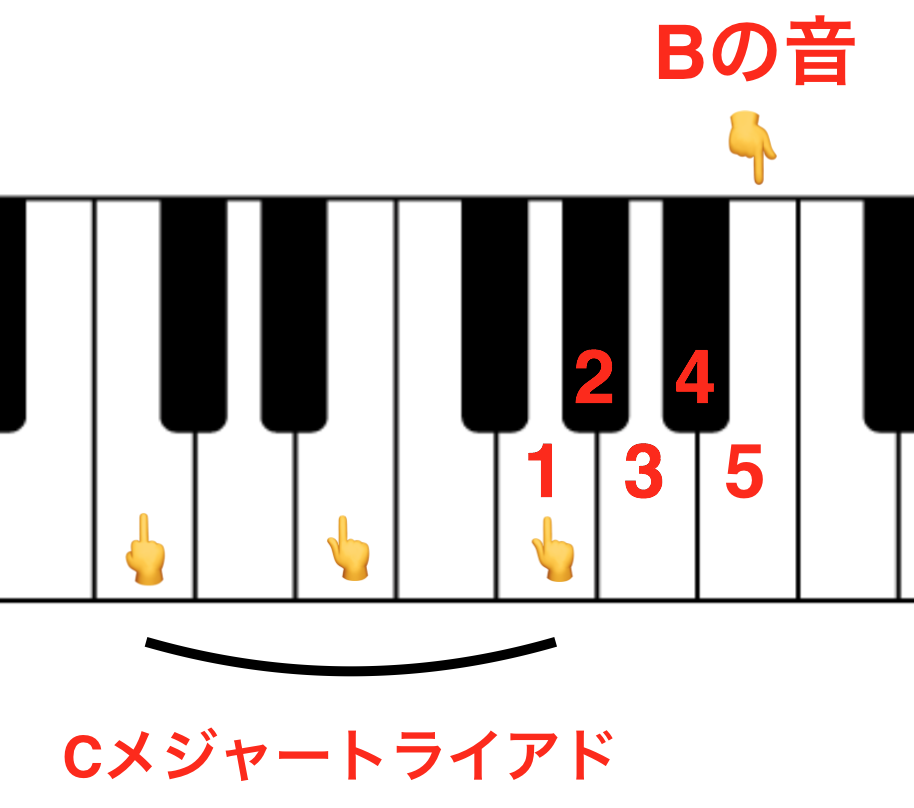
Try it on the keyboard. Counting five keys, including both G and B, gives a major third: four semitones. Place B above C–E–G to complete C–E–G–B.
The essential point is to identify the fourth note correctly. Changing B to B♭ changes the chord quality.
In everyday musical conversation, players usually say 'C major seven' rather than the full 'C major seventh chord'. The same structure works with other roots.
Summary: (1) A major seventh chord is a four-note chord based on a major triad. (2) Add a major third above the triad's fifth. (3) C–E–G–B is Cmaj7, commonly spoken as 'C major seven'.