CHORD THEORY / LESSON 08
The Minor–Major Seventh Chord
This lesson introduces the minor–major seventh chord. The name may sound contradictory: is it minor or major? Once we separate the underlying triad from the added seventh, the name becomes clear. Review the previous lesson about major seventh chords if needed.
Look at the first music example. The basic triad of this chord is C minor: C–E♭–G.
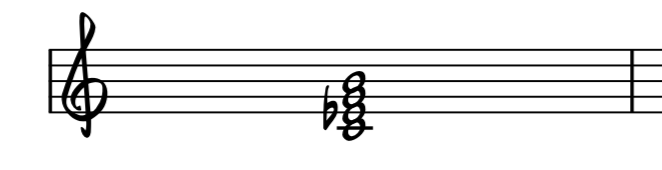
Next, notice the added note B natural. This is the same major seventh that appears in a C major seventh chord. The difference is the third of the chord: E♭ rather than E.
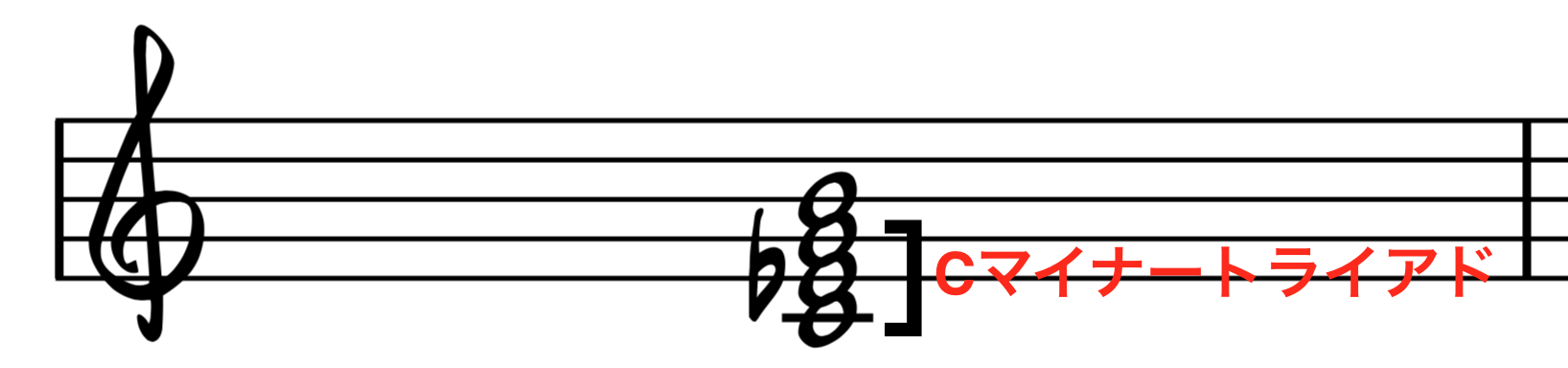
Chord names often identify the underlying triad first and then describe the seventh added above the root.
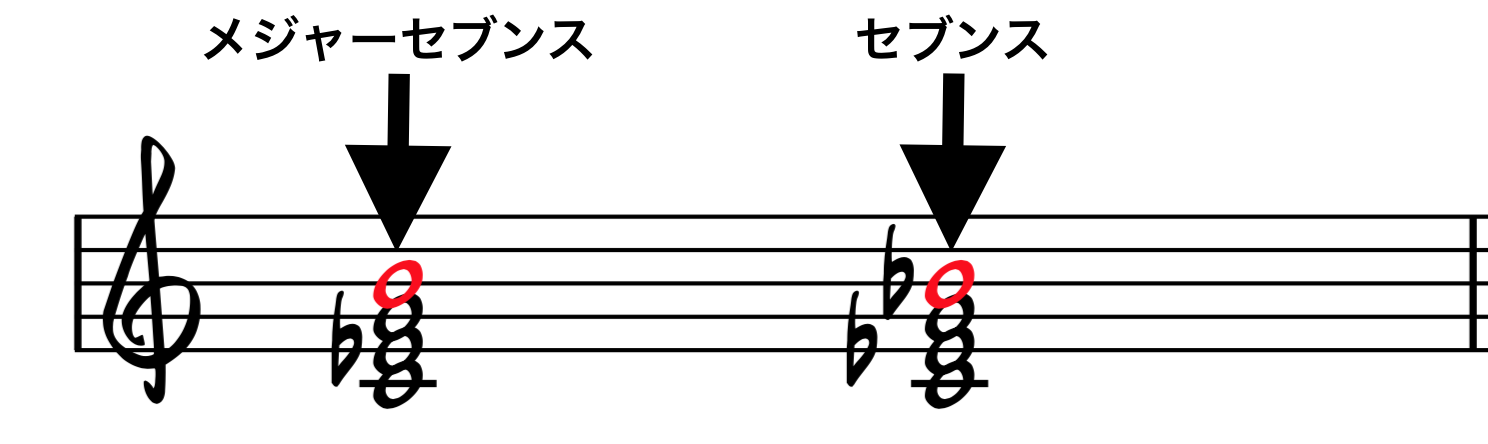
For example, C minor plus a major seventh gives C–E♭–G–B, written Cm(maj7), CmMaj7 or C−Δ7. In contrast, C minor plus a minor seventh gives C–E♭–G–B♭, written Cm7.
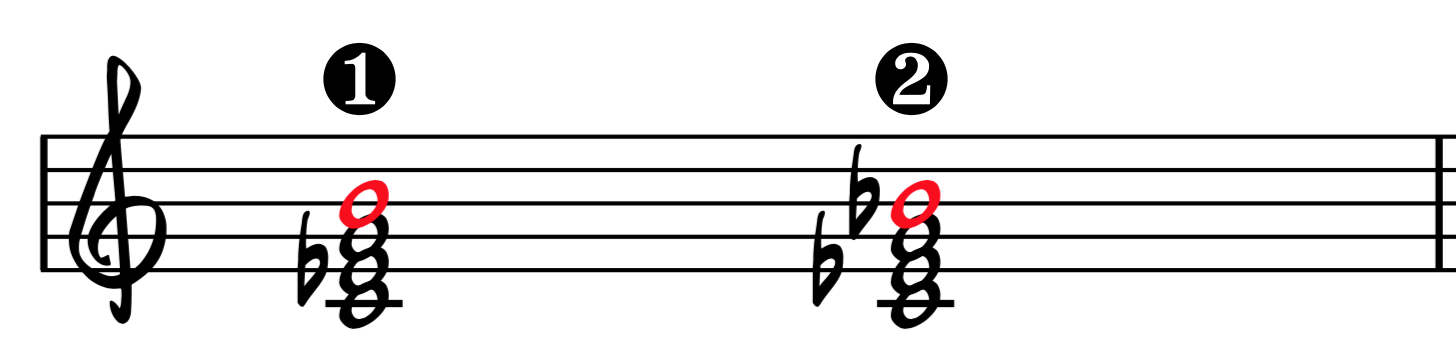
This explains why both “minor” and “major” appear in the same chord name: “minor” describes the triad, while “major seventh” describes the interval between the root and the seventh.
Remember the distinction by playing Cm(maj7) and Cm7 back to back and listening to how the B natural changes to B♭.