READING MUSIC / LESSON 22
Crescendo and Decrescendo
In Reading Music, Vol. 22, we look at crescendo and decrescendo. In the previous lesson, we introduced dynamic markings; these symbols also tell us how loud or soft to play, but describe changes over time.
Crescendo
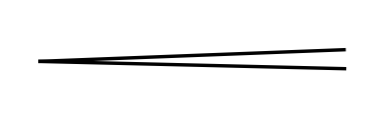
The two lines meet at the left and spread apart toward the right. Because we read music from left to right, the shape offers a helpful visual clue.
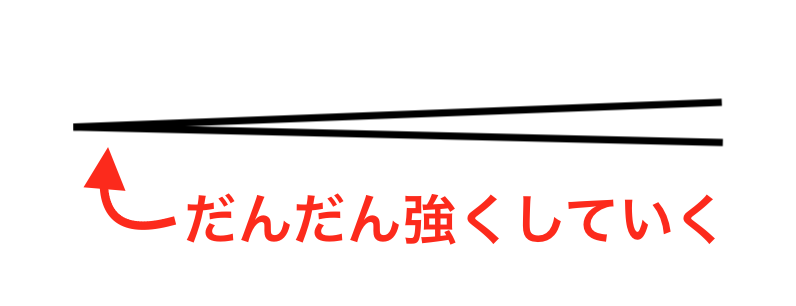
Crescendo means to become gradually louder. It can also be written as cresc., an abbreviation of crescendo.
Decrescendo
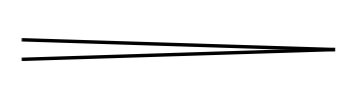
The decrescendo hairpin is the opposite: its two lines gradually come together as the music moves to the right.
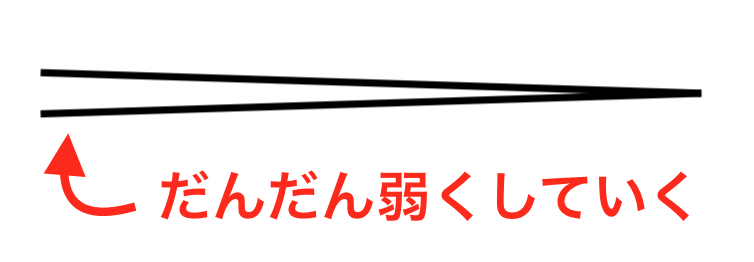
Decrescendo means to become gradually softer. It may be abbreviated decresc.. You may also see dim., short for diminuendo, which carries the same basic instruction to decrease the volume.
These signs appear frequently, so it is worth recognizing both the symbols and their written abbreviations.
Using dynamic markings in a score

Crescendo and decrescendo hairpins are usually placed below the staff, as shown here.
They can be combined with other dynamic markings for greater precision. For instance, a passage may begin softly and grow toward a specified louder level.

This combination communicates the intended progression more clearly to the performer.