JAZZ PIANO / PHRASE ANALYSIS 01
Bill Evans: Minor ii–V–i Phrase Analysis, Part 1
How can a short line create such a convincing sense of motion? Let’s study a phrase drawn from a Bill Evans performance, moving through Em7♭5 → A7 → Dm.
The complete phrase

The line rises stepwise over Em7♭5, creates tension and a descending contour over A7, then resolves to a Dm chord tone.
Em7♭5 | Ascending through Locrian
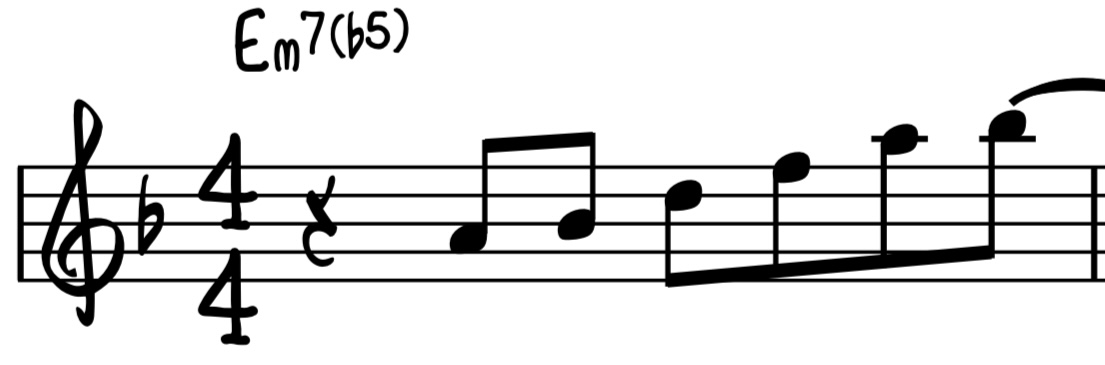
The melody moves mostly stepwise through the E Locrian sound. Without large leaps, the upward direction alone provides momentum into the dominant chord.
A7 | Altered tensions and chord tones
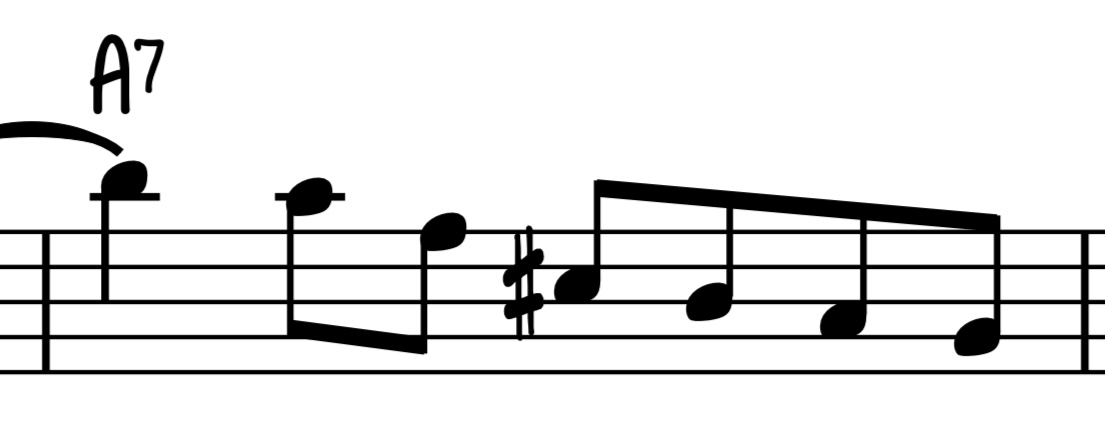
Over A7, the phrase descends by combining altered tensions with fundamental chord tones. In scale-degree terms, the outline is ♭9 → 1 → ♭13 → 3 → ♭9 → 1 → ♭7. The altered tones add tension; the root, third and flat seventh give the line structure. Rather than treating tensions as isolated colors, listen to how they connect with the chord tones.
Dm | A clear chord-tone resolution
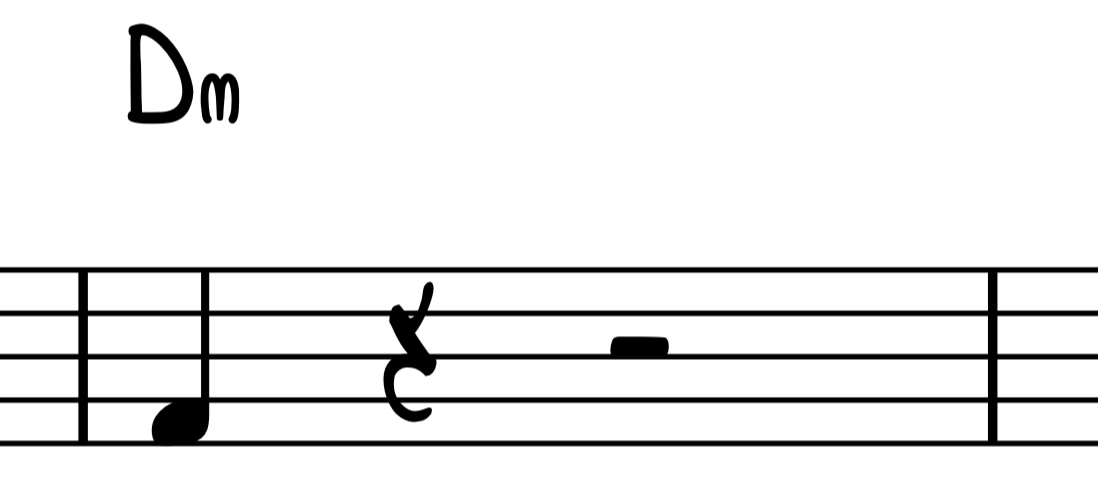
The phrase lands on a simple Dm chord tone. The contrast between tension over the dominant and a clear arrival on the tonic minor chord gives the line its shape.
How to practice
- Play each chord segment slowly on its own
- Name the A7 tensions and chord tones as you play
- Connect the three segments without losing their directional shape
- Transpose the idea into other minor keys
Watch and listen
I created both the Instagram reel and the YouTube video presenting this phrase. Listen first, then return to the notation and trace the note choices.
Analysis, notation images and video production: Seiya Matsushita / Pivo Music School. Educational analysis of a phrase from a Bill Evans performance.
More phrases to come
This is the first in a planned five-part Bill Evans phrase analysis series.